Clematis Font: Organic Serif Charm for Handmade Products
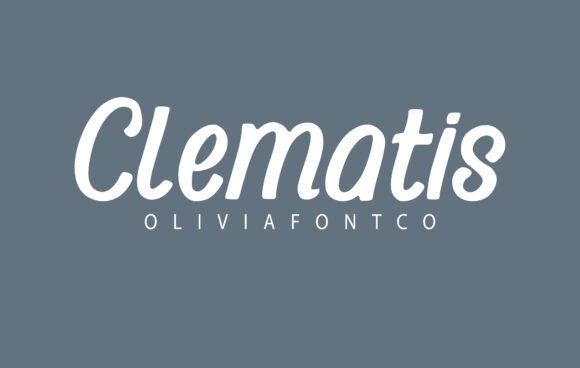
Finding the perfect typeface for handmade products often feels like searching for a needle in a haystack. As makers and small business owners, we need fonts that bridge the gap between professional polish and authentic warmth. This is exactly where the Clematis font shines. Unlike rigid traditional serifs or overly chaotic scripts, Clematis brings a relaxed, handwritten vibe to the world of serifs. Its slightly slanted style and script-inspired curves make it feel organic and approachable while still maintaining the structural integrity needed for commercial product design. For crafters creating physical goods, labels, and digital downloads, this unique hybrid offers a versatile solution that elevates perceived value without sacrificing readability.
The Visual Personality of Clematis for Makers
Clematis occupies a sweet spot in modern typography that is particularly valuable for the creative marketplace. It functions as a serif font but carries the emotional weight of a handwritten font. The slight slant introduces movement and energy, preventing designs from looking static or mass-produced. When you are designing for an audience that values "handmade," this subtle imperfection is a feature, not a bug. It signals to the customer that a human being was involved in the creation process.
For those of us working with cutting machines like Cricut or Silhouette, the structure of Clematis is a major advantage. Pure script fonts can sometimes be too thin or fragile to cut cleanly on vinyl or cardstock. Because Clematis retains serif characteristics, the letterforms generally have enough weight to withstand weeding and application. The script-inspired curves add flair, but the underlying skeleton remains sturdy. This makes it an exceptional choice for adhesive labels, iron-on transfers for tote bags, and delicate paper crafts where durability matters just as much as aesthetics.
Practical Applications in Product Design
Versatility is key when investing in premium font assets for a small shop. You need a typeface that can work across multiple product lines without causing brand fatigue. Clematis adapts beautifully to various crafting mediums and merchandise types.
- Candle and Soap Labels: The organic nature of Clematis pairs perfectly with natural wax, botanical ingredients, and eco-friendly packaging. It suggests artisanal quality on jar labels where space is limited but impact is necessary.
- Wedding Stationery: For invitation designers, this font serves as an excellent alternative to standard calligraphy. It provides the romance required for wedding welcome boards and place cards while remaining legible for guests of all ages.
- Printable Wall Art: Digital download creators can use Clematis for inspirational quotes or nursery art. The textured feel translates well to print, giving digital files a tactile, letterpress-like appearance.
- Product Packaging and Tags: Whether you are stamping kraft paper tags or printing directly onto boxes, the font’s clarity ensures your brand name and product details are instantly recognizable.
- Seasonal Craft Designs: From farmhouse-style holiday signs to spring garden party invitations, the relaxed serif style transcends specific seasons, making it a year-round workhorse in your design library.
Readability and Production Considerations
While beauty attracts customers, readability closes the sale. When using Clematis for product labels or instructional text, size and spacing are critical. Because of its slanted posture and decorative curves, it performs best as a display font for titles, names, and short phrases. For longer descriptions or ingredient lists, consider increasing the tracking (letter spacing) slightly to prevent the characters from feeling crowded. This simple adjustment maintains the font's charm while ensuring customers can easily read important information.
For SVG-style designs and cut files, always test your settings. While Clematis is more robust than a hairline script, intricate swashes or ligatures may require a slower blade speed or lighter grip mat. If you are creating templates for other crafters to use, include a note about recommended sizing. A font that looks elegant at 48pt might become illegible when scaled down to 12pt for a favor tag. Understanding these production nuances ensures your final product looks as professional in reality as it does in your design software mockup.
Strategic Font Pairing for Brand Identity
Clematis has a distinct personality, which means it needs the right partner to create a balanced layout. Effective font pairing is essential for establishing a cohesive brand identity across your shop. Since Clematis acts as a expressive serif with script qualities, it pairs best with clean, neutral companions.
For a modern, minimalist aesthetic, pair Clematis with a geometric sans serif font. The contrast between the organic curves of Clematis and the straight lines of a sans serif creates visual tension that looks sophisticated and intentional. This combination works exceptionally well for boutique clothing tags or luxury skincare packaging. Alternatively, if you want a softer, more vintage look, pair it with a simple, low-contrast serif font for body text. Avoid pairing Clematis with another highly decorative script or display font, as this competes for attention and reduces overall legibility. Let Clematis be the star of the show while supporting typefaces handle the functional heavy lifting.
Maximizing Value with Alternates and Ligatures
To truly get the most out of Clematis, explore the OpenType features included in the font files. Many premium fonts in the Script Amp category include contextual alternates, swashes, and ligatures that transform standard typing into custom lettering. These features allow you to adjust the flow of specific letter combinations, making wordmarks and logos feel bespoke rather than typed.
Check the documentation for multilingual support if you sell internationally or serve diverse communities. Having access to accented characters ensures your packaging and signage remain inclusive and professional. Additionally, verify which file formats are included. OTF files typically offer the best access to advanced typographic features for desktop publishing, while TTF files ensure compatibility with older software or specific cutting machine platforms. Utilizing these built-in assets saves time and eliminates the need to manually modify letters in vector software.
Navigating Commercial Licensing for Sellers
As a business owner, protecting your shop means respecting intellectual property. Before using Clematis on products intended for sale, carefully review the commercial font license. Licenses vary significantly between foundries. Some permit unlimited physical end products, while others cap the number of units or require an extended license for digital templates and SVGs sold to other crafters.
If you plan to use Clematis in editable templates (like Canva or Corjl) or as part of a digital asset bundle, ensure your license explicitly covers this use case. Standard commercial licenses often cover physical goods like mugs, shirts, and printed cards but exclude digital redistribution. Clarifying these terms upfront prevents legal issues down the road. Investing in the correct license is just as important as investing in high-quality materials; it secures the foundation of your creative business and allows you to market your products with confidence. By understanding both the creative potential and legal parameters of Clematis, you can build a product line that is visually stunning, commercially viable, and authentically yours.